Tracing Support and Security Intersections in Online Merchant Operations
Henrik Fischer · Oct 9, 2026
Tracing Support and Security Intersections in Online Merchant Operations
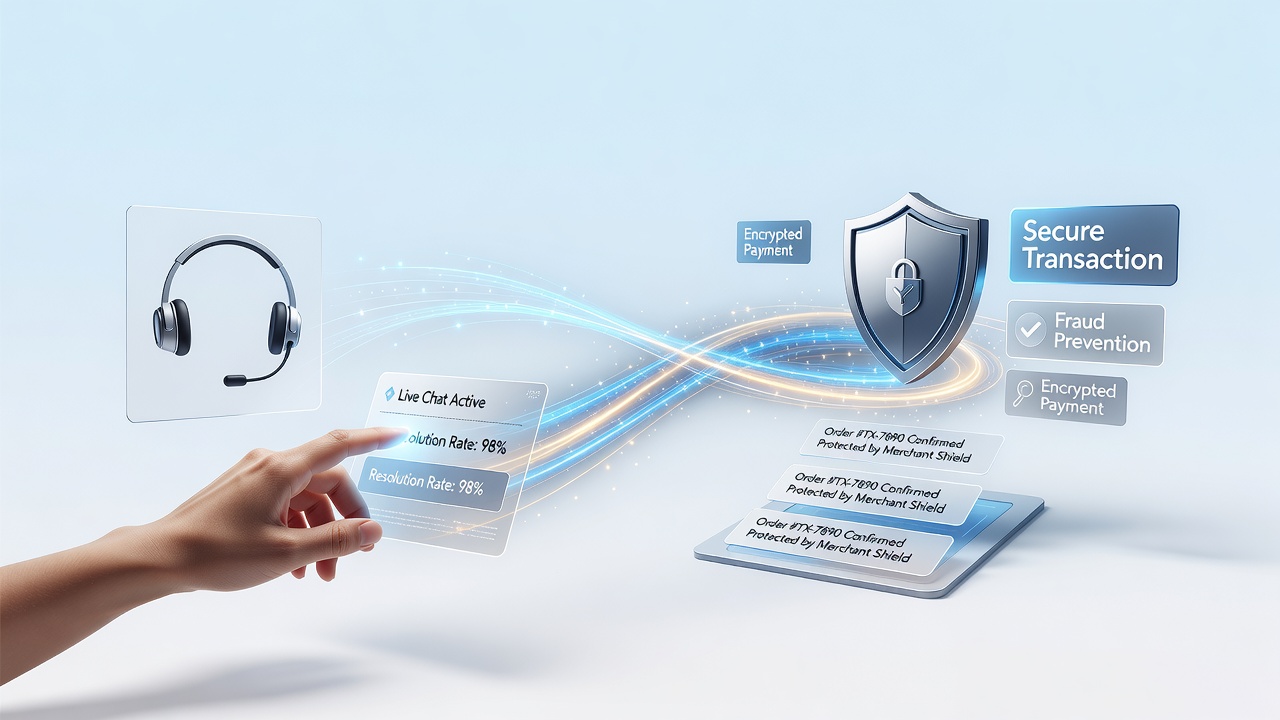
Customer assistance teams in online merchant platforms often handle initial reports of unusual activity, and these interactions feed directly into transaction protection systems through shared data logs and alert protocols. Observers note that when support staff flag a disputed charge early, automated monitoring tools can pause related accounts before further processing occurs, which reduces exposure across connected payment channels.
Support Data Flows Into Protection Mechanisms
Merchants integrate ticketing systems with fraud detection software so that details from a single customer call transfer to real-time monitoring dashboards. Research from the Federal Trade Commission indicates that complaint volumes in digital retail rose steadily through 2025, prompting platforms to route support notes into machine learning models that score transaction risk. Those models adjust thresholds based on patterns like repeated contact from one account or mismatched shipping addresses mentioned during chats.
And because support records include timestamps and device identifiers, protection layers gain additional context that standalone payment processors lack. Data shows this linkage cuts false positives in automated blocks by cross-referencing user history that only assistance teams capture during direct conversations.
Case Patterns From Recent Platform Updates
One large marketplace adjusted its workflow in early 2026 so every support ticket triggers a parallel check against the account's last ten transactions. Figures reveal that this change coincided with a measurable drop in chargeback rates during the following quarter. Observers point to the integration as the key factor, since agents now receive prompts to verify identity elements before escalating issues to the security queue.
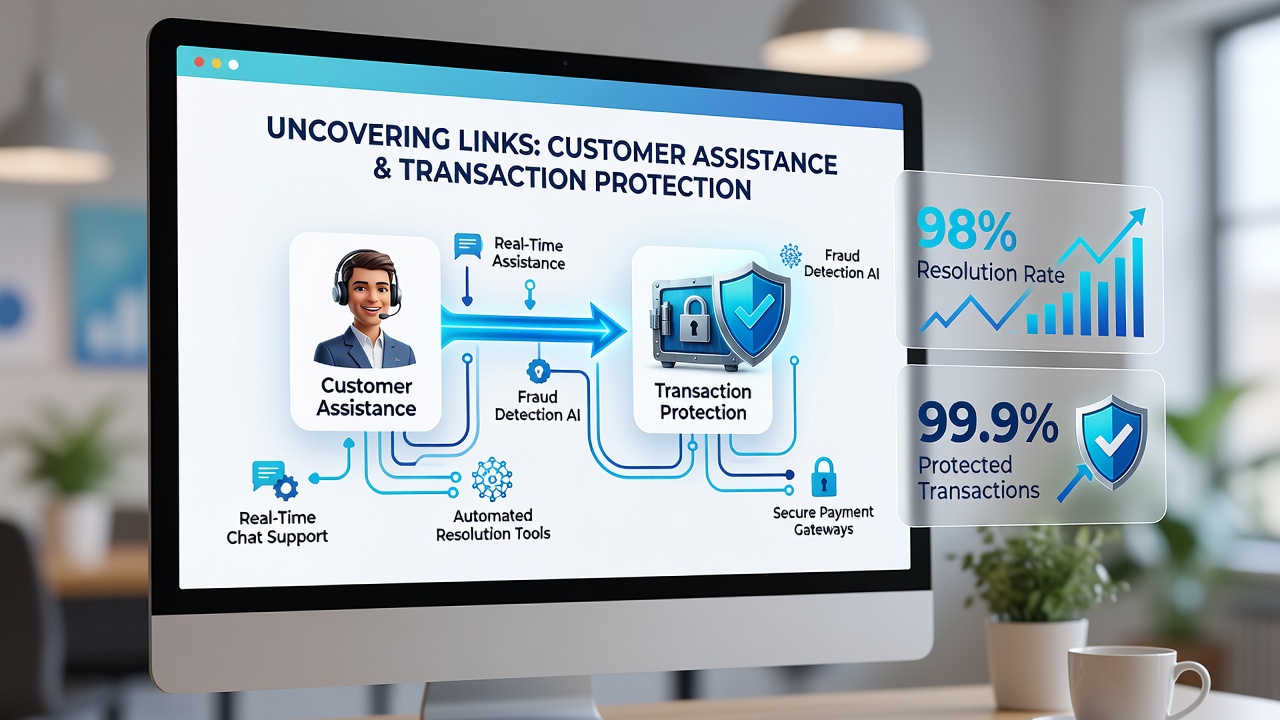
What's interesting is how similar adjustments appear across smaller platforms that lack dedicated security teams. They rely instead on API connections between their helpdesk software and gateway providers, allowing support notes to influence authorization decisions without manual handoff. Studies from the European Commission on digital commerce security highlight that these lighter integrations still produce measurable improvements when support volume exceeds a certain threshold.
Training and Protocol Alignment
Staff training programs now include modules on recognizing social engineering attempts that target transaction details. Agents learn to document specific phrases or urgency cues that correlate with later breaches, and those annotations route straight into protection rule sets. According to industry reports compiled by the Australian Competition and Consumer Commission, platforms that embed such training see faster isolation of compromised accounts because early signals reach the monitoring layer intact.
Yet gaps remain when support and protection teams operate on separate schedules or use incompatible data formats. Platforms that synchronize update cycles report fewer instances where a flagged account processes additional payments before the block activates. The reality is that alignment depends on consistent API mapping rather than ad-hoc sharing.
Regional Regulatory Influences
Rules from bodies like the Canadian Office of Consumer Affairs require merchants to maintain records of customer disputes for set periods, and many platforms now feed those records into ongoing risk assessments. This creates a feedback loop where resolved support cases refine the parameters used for future transaction approvals. As of October 2026, several jurisdictions continue to expand disclosure requirements around data sharing between support and security functions, which encourages further technical linkage.
Platforms respond by mapping support categories to specific risk signals, such as delivery complaints that often precede account takeovers. Researchers at academic centers studying electronic commerce note that these mappings improve when they draw from both regional complaint databases and internal logs.
Conclusion
Links between customer assistance and transaction protection continue to tighten through shared data pipelines and protocol updates. Evidence from multiple regulatory sources and platform reports shows that early support signals contribute to lower breach rates when properly routed into monitoring systems. Those connections rely on technical integration and aligned training rather than isolated processes, producing measurable effects across different merchant sizes and regions.