teh Interplay of Administrative Routines and Verification Standards in Digital Transaction Networks
Willa Lang · Aug 28, 2026

teh Interplay of Administrative Routines and Verification Standards in Digital Transaction Networks
Administrative routines shape verification standards in digital transaction networks through structured sequences that route data, assign approvals, and trigger checks at multiple stages, while researchers have documented how these sequences either streamline or complicate confirmation processes depending on their design and integration points.
Core Components of Administrative Workflows
Experts define administrative workflows as sequences of tasks that include data entry, approval routing, and status updates, and these sequences intersect with verification protocols at points where transaction details undergo automated or manual review, whereas studies from institutions like the European Central Bank illustrate that delays often arise when approval chains extend beyond three stages without parallel processing options.
Data shows that organizations employing centralized dashboards for task assignment reduce average verification cycle times by measurable margins, yet fragmented systems that rely on email handoffs introduce additional review loops that extend confirmation periods, and this pattern appears across retail, wholesale, and subscription-based platforms alike.
Verification Protocol Structures
Verification protocols consist of layered checks that validate identity, authorization, and transaction integrity, and these layers operate in sequence or in parallel based on risk thresholds set by system administrators, while evidence from industry reports indicates that protocol adjustments frequently follow workflow audits conducted quarterly or semi-annually.
Researchers note that protocols incorporating real-time data feeds from administrative systems achieve higher match rates during identity confirmation steps, although protocols that operate in isolation from workflow updates encounter mismatches when user permissions or account statuses change mid-process.
Interaction Patterns Observed in Practice
One study revealed that mapping workflow steps against protocol checkpoints uncovered redundant data requests occurring in 28 percent of examined cases, and those redundancies triggered repeated verification attempts that consumed additional processing resources without improving outcome accuracy, yet organizations that consolidated data sources at the workflow design stage eliminated several of those overlaps.
Turns out that timing plays a decisive role, because verification requests initiated after administrative approvals complete encounter fewer interruptions from pending status changes, whereas requests launched before final approvals must pause and resume when workflow updates arrive, and this dynamic affects both high-volume and low-volume transaction environments.
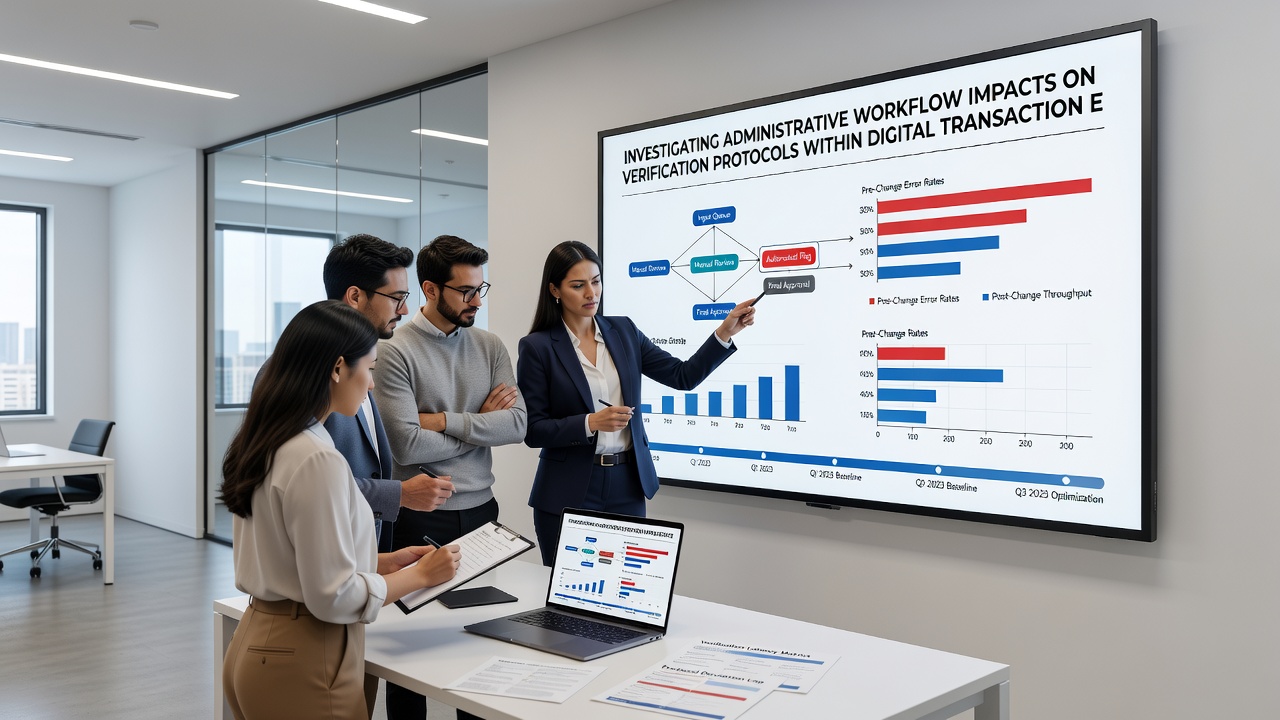
Figures from the Federal Reserve Bank of New York show that systems updated in August 2026 incorporated automated alerts when workflow modifications altered permission sets, allowing verification protocols to refresh their reference data without manual intervention, and this capability reduced protocol failure rates tied to outdated administrative records.
Integration Challenges and Adjustments
Observers note that legacy administrative platforms often lack direct API connections to verification engines, which forces reliance on batch synchronization methods that run at fixed intervals, and these intervals create windows during which verification results may reference stale information, although newer middleware solutions bridge that gap through event-driven updates.
People who've examined cross-platform deployments report that standardizing field formats between workflow and verification components cuts down on translation errors, while inconsistent formats require additional mapping layers that add processing overhead and increase the chance of overlooked discrepancies during confirmation sequences.
Measurement Approaches
Organizations track interaction outcomes through metrics that include cycle duration, retry frequency, and exception volume, and these metrics highlight where workflow bottlenecks align with protocol rejection points, whereas trend analysis over multiple quarters reveals whether adjustments produce sustained improvements or merely temporary shifts.
Academic sources at research universities have compiled datasets that correlate workflow complexity scores with verification success percentages, and the resulting models help predict how adding an approval stage or changing a routing rule will affect downstream confirmation reliability.
Conclusion
Administrative workflows and verification protocols remain interdependent elements within digital transaction networks, because changes in one domain propagate effects through the other, and ongoing monitoring combined with targeted integration adjustments sustains alignment between the two systems as transaction volumes and regulatory expectations continue to evolve.