How Settlement Timing Adjustments Influence Integrity in Multi-Platform Merchant Ecosystems
Henrik Fischer · Nov 20, 2026
How Settlement Timing Adjustments Influence Integrity in Multi-Platform Merchant Ecosystems
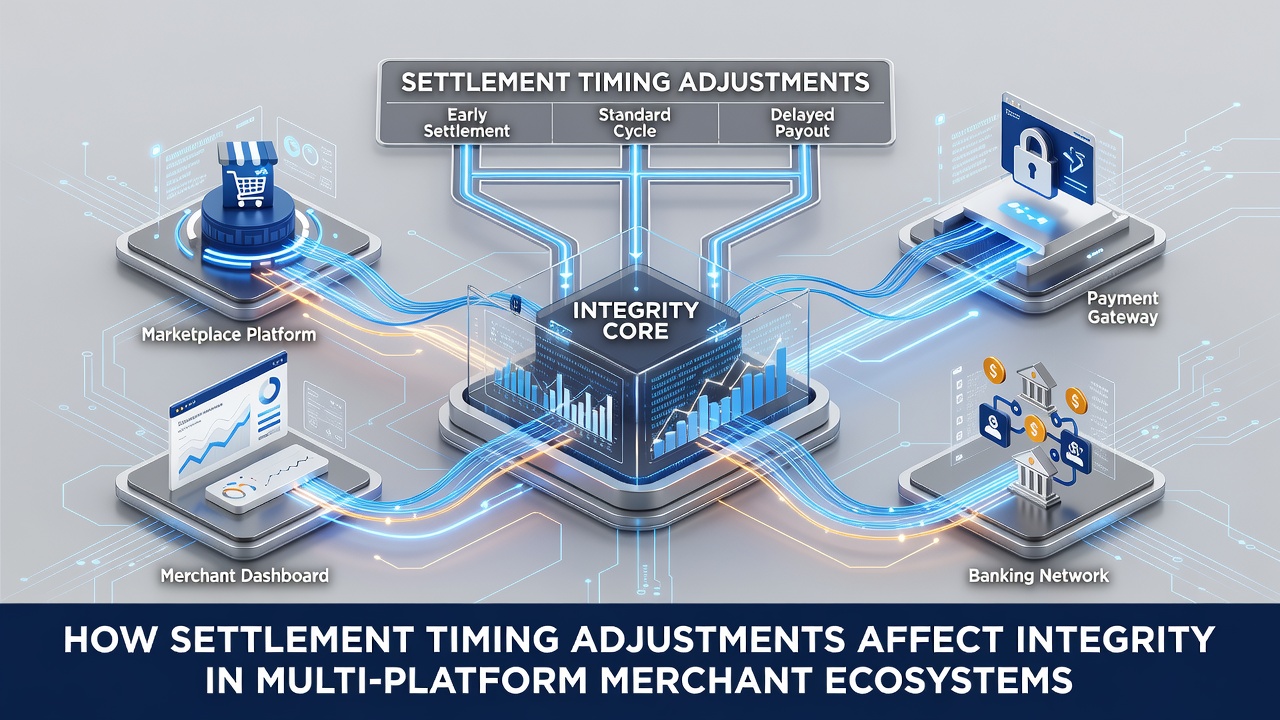
Settlement timing adjustments shape how funds move through merchant accounts that span several platforms, and these shifts directly tie into the integrity of transaction records and fraud controls. Researchers have tracked how even small changes in when batches clear can alter the window available for verification steps, reconciliation processes, and dispute resolution across interconnected systems.
Data from payment networks indicates that platforms operating on staggered settlement cycles often record fewer mismatches in daily ledgers, while uniform timing across all channels sometimes compresses review periods and raises error rates. Observers note that multi-platform setups, which combine in-app purchases, web checkouts, and point-of-sale terminals, face particular pressure because each channel carries its own regulatory and operational cadence.
Mechanics of Timing Adjustments in Merchant Settlements
Merchants connected to several gateways can request settlement holds that range from same-day processing to T+2 or longer, and these choices affect how quickly funds leave acquirer accounts. Studies reveal that shortening the interval between authorization and settlement reduces exposure to chargeback claims, yet it also limits the time available for automated screening tools to flag anomalies before money transfers finalize. When platforms coordinate these adjustments through shared APIs, the resulting data streams allow risk engines to cross-reference activity in near real time, which strengthens overall account integrity.
Those who manage large merchant portfolios have documented cases where extending settlement by one business day gave compliance teams extra cycles to verify high-value transactions that originated on mobile channels. This practice aligns with findings from the Federal Reserve, which examined how delayed batch releases can improve matching accuracy between authorization logs and clearing files. At the same time, prolonged holds can create cash-flow pressure for smaller operators that rely on rapid access to revenue.
Integrity Implications Across Platform Boundaries
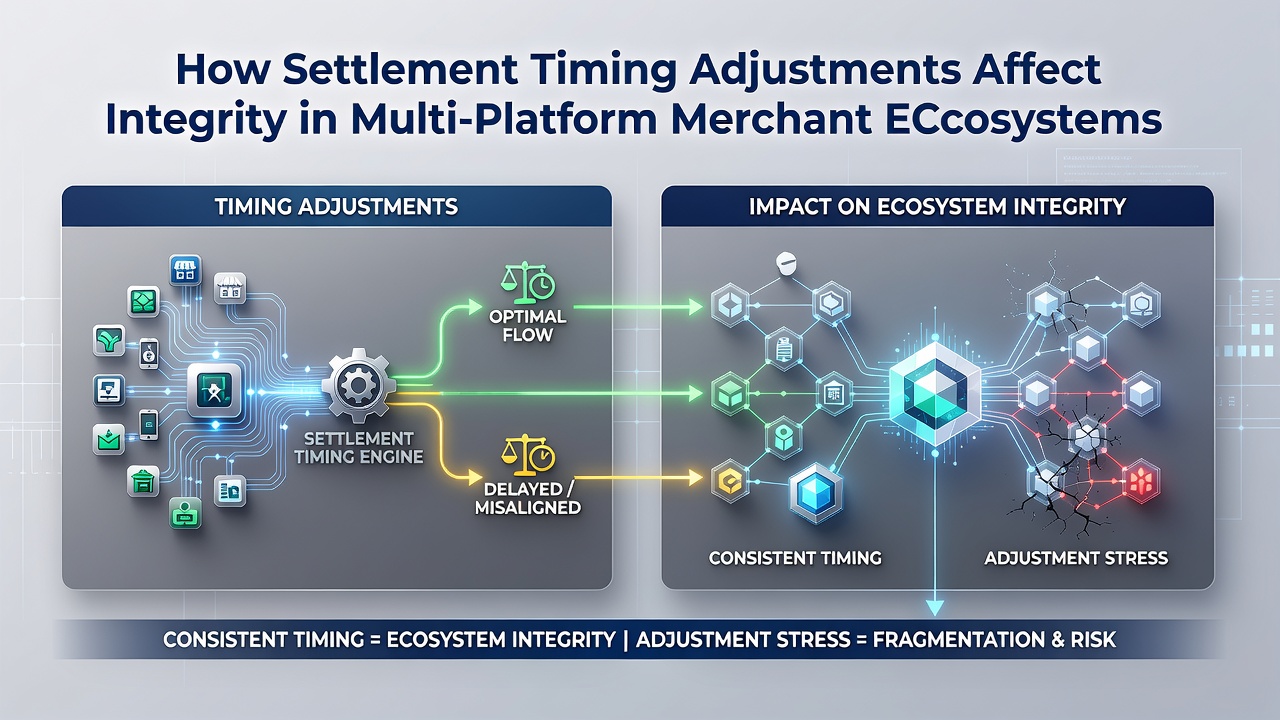
Integrity metrics in these ecosystems depend on consistent reconciliation between the merchant account, gateway processor, adn issuing banks. Adjustments that desynchronize settlement times across platforms sometimes create gaps where duplicate entries or omitted records go unnoticed until monthly audits. Research indicates that platforms using dynamic timing rules tied to transaction risk scores achieve higher match rates, because high-risk items receive extended review while low-risk batches clear quickly.
One analysis of European payment data showed that merchants who adopted variable settlement windows reduced reconciliation discrepancies by measurable percentages during peak seasons. The same patterns appear in reports from the European Central Bank, which tracked how timing flexibility interacts with strong customer authentication requirements that took effect in prior years. Multi-platform operators therefore treat settlement schedules as configurable controls rather than fixed parameters.
Operational Patterns Observed in 2026
By November 2026, several networks had rolled out updated settlement APIs that let merchants apply timing rules based on real-time fraud signals rather than calendar schedules. Figures from industry working groups show that operators who linked these rules to device fingerprinting and behavioral analytics experienced fewer integrity incidents on cross-border transactions. The adjustments also intersect with renewal cycles for merchant accounts, where updated risk profiles trigger automatic extensions or accelerations of settlement dates.
Platforms that maintain separate timing policies for each channel must still feed unified reporting to acquirers, and any misalignment surfaces during automated integrity scans. Those scans compare expected settlement amounts against actual cleared volumes, and deviations prompt immediate review workflows that involve both the merchant and the gateway provider.
Coordination Challenges and Data Flows
Effective coordination requires that timing parameters travel alongside transaction data through every integration point. When one platform settles on a T+0 basis while another uses T+1, the resulting ledgers need additional mapping layers to keep totals aligned. Research from academic payment studies demonstrates that these mapping layers, when properly implemented, lower the incidence of orphaned transactions that later require manual intervention.
Merchants operating in regulated sectors have adopted policies that tie settlement timing directly to compliance checkpoints, such as sanctions screening completion or address verification status. This approach ensures that integrity controls remain active regardless of how quickly funds move between accounts.
Conclusion
Settlement timing adjustments therefore function as levers that influence both operational efficiency and the strength of integrity safeguards within multi-platform merchant environments. Evidence from regulatory bodies and network analyses continues to show that deliberate calibration of these timings supports accurate reconciliation and timely fraud detection when platforms share consistent data standards. As networks evolve their APIs and reporting requirements, the relationship between timing choices and ecosystem integrity remains a central factor for merchants managing diverse transaction flows.