From Approval to Archive: The Journey of Secure Data Through Merchant Billing Ecosystems
Tina Ludwig · Oct 23, 2026
From Approval to Archive: The Journey of Secure Data Through Merchant Billing Ecosystems
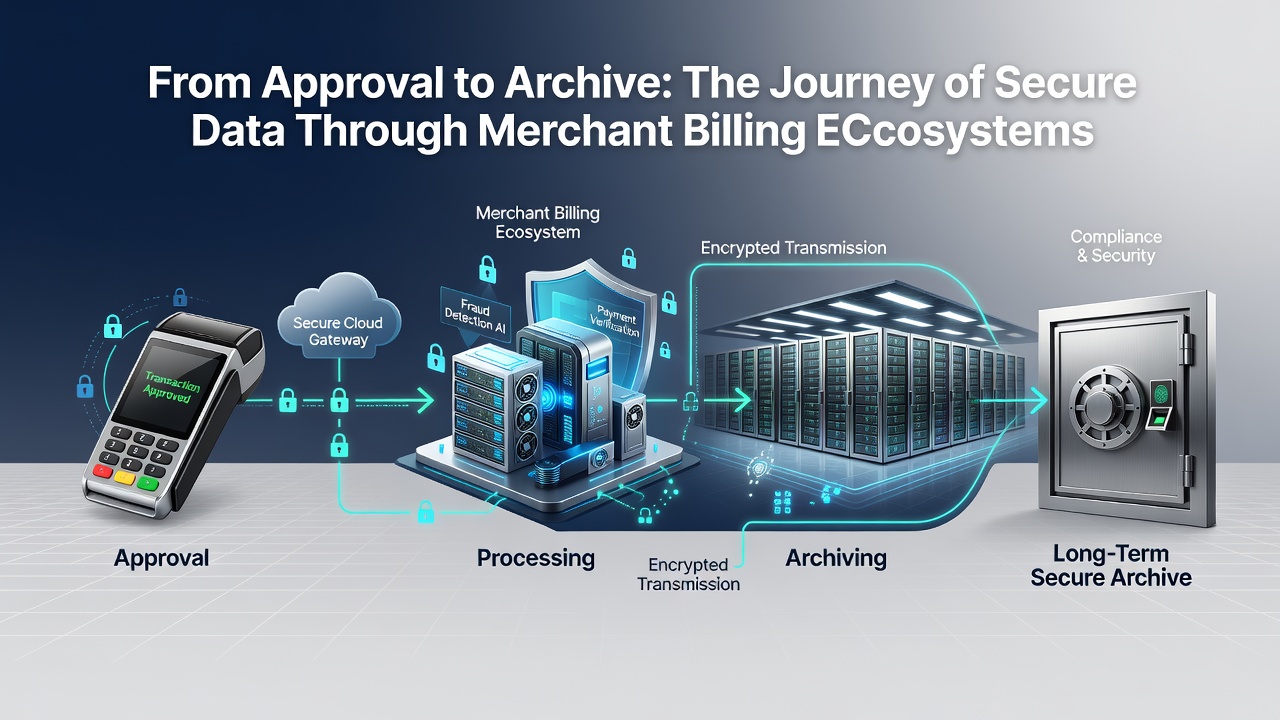
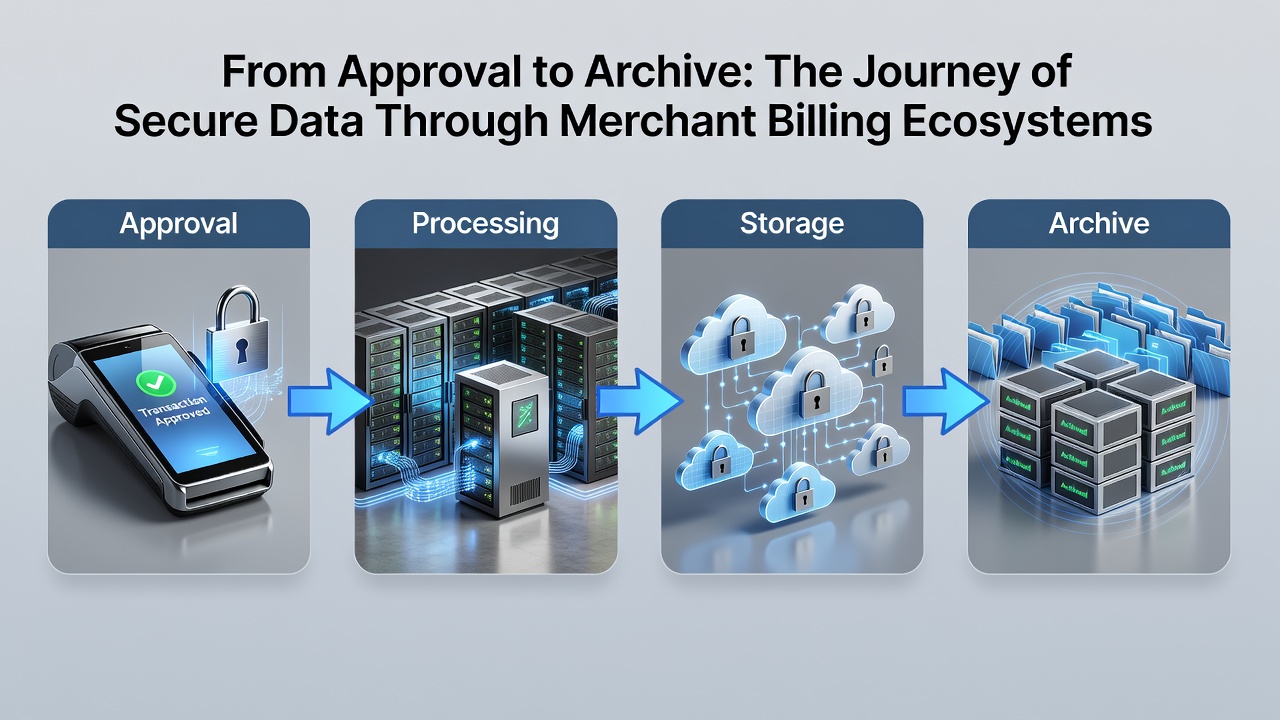
Transaction data begins its path at the moment a customer initiates a purchase, and that starting point triggers a sequence of verification steps designed to confirm legitimacy before any funds move. Merchant billing ecosystems handle this approval through layered checks that include cardholder authentication, address verification, and risk scoring algorithms that evaluate patterns across thousands of prior transactions. Researchers at payment security firms note that these initial filters reduce unauthorized attempts by flagging mismatches in real time, while the approved data packet carries encrypted tokens rather than raw card details into the next stages.
Routing Through Processing Layers
Once approved, the data packet travels into merchant account processors and gateway connections where billing details merge with inventory records and tax calculations. Systems coordinate these elements by assigning unique identifiers that follow the transaction across multiple servers without exposing sensitive fields. Data shows that organizations using tokenized routing cut exposure windows significantly compared to legacy methods that retained full card numbers during settlement. Observers note that integration points between billing software and acquirer networks often become focal areas for monitoring because any delay at these junctions can cascade into settlement failures.
Security Controls During Active Billing
Active billing periods require continuous oversight as data interacts with customer support records and renewal schedules. Teams that align support workflows with gateway logs gain visibility into disputes or chargebacks early enough to adjust risk parameters before they affect broader ledgers. According to the PCI Security Standards Council, encryption standards applied at each hop maintain confidentiality even when data crosses between cloud instances hosted in different regions. Figures from industry reports indicate that merchants who implement end-to-end encryption during billing cycles report fewer incidents of data leakage during peak shopping periods.
October 2026 brought updates to several regional compliance frameworks that emphasized audit trails spanning the entire lifecycle from approval through final archiving. These changes prompted billing platforms to embed automated logging features that capture metadata at every transfer point without slowing transaction speeds. Experts tracking these developments point to increased adoption of immutable storage formats that prevent retroactive alterations once entries reach the archive stage.
Transition to Long-Term Retention
After settlement completes, data shifts from active ledgers into retention repositories governed by regulatory retention periods that vary by jurisdiction. Billing systems apply classification tags at this stage so that tax-related entries remain accessible for the required seven years while marketing analytics data receives earlier deletion schedules. Studies from academic institutions in Canada have examined how these classification rules reduce storage costs without compromising audit readiness. The process involves hashing original approval codes and linking them to archived records so that reconstruction of any single transaction remains possible years later if disputes arise.
Access controls tighten considerably once data enters archives, limiting queries to designated compliance officers who must authenticate through multi-factor protocols. This stage also incorporates regular integrity checks that compare stored hashes against live values to detect any silent corruption. Those who manage large merchant fleets often discover that centralized archiving solutions simplify regulatory reporting because a single query interface can pull records across multiple billing platforms.
Conclusion
The complete journey from initial approval to final archive demonstrates how merchant billing ecosystems treat data as a traceable asset that requires protection at every transfer. Each phase builds upon the last through standardized protocols that prioritize encryption, tokenization, and audit logging. Organizations that maintain consistent controls across these stages meet evolving requirements while preserving the ability to reconstruct transaction histories when needed.