Decoding Connections: Administrative Procedures Shaping Protection in Mobile Payment Networks
Sofia Schmitz · Sep 11, 2026
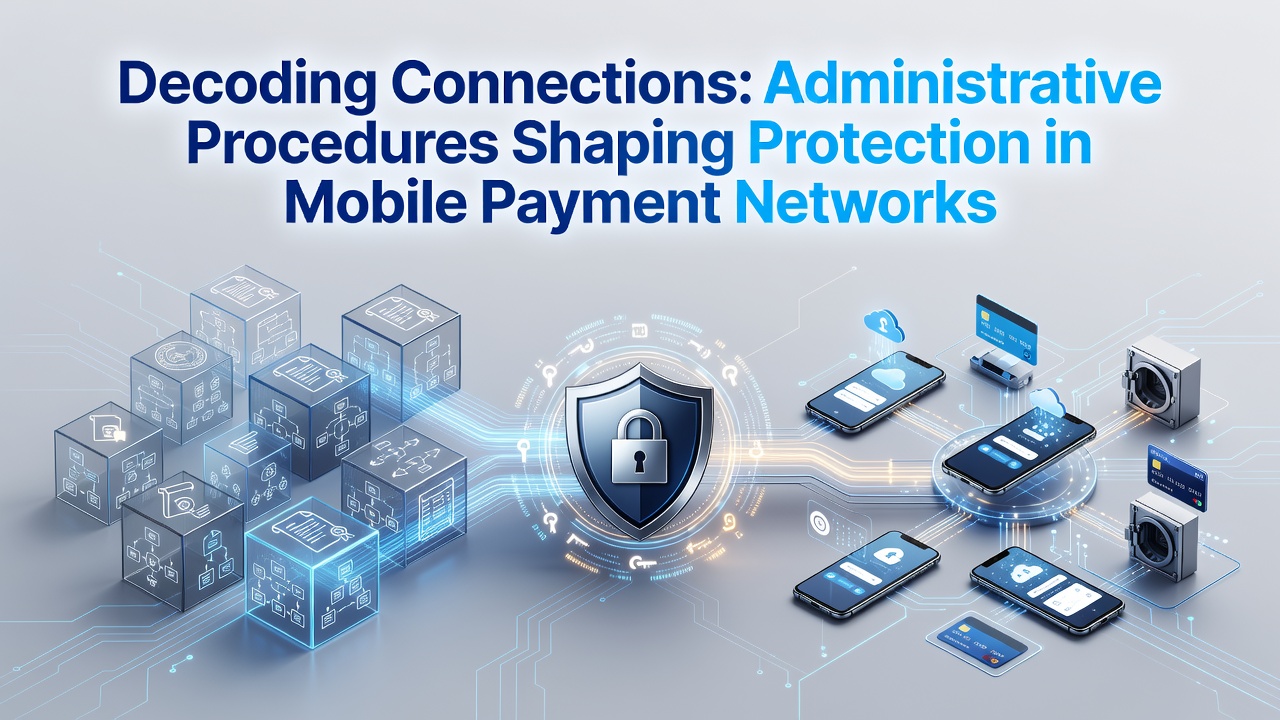
Decoding Connections: Administrative Procedures Shaping Protection in Mobile Payment Networks
Administrative procedures form the backbone of security frameworks in mobile payment networks, where policy definitions, workflow approvals, and compliance checkpoints determine how data moves between users, merchants, and processors. Researchers at teh Bank for International Settlements have documented that structured administrative controls reduce unauthorized transaction attempts by aligning renewal cycles with real-time verification protocols, and these alignments create measurable drops in breach incidents across global systems.
Policy Frameworks and Their Direct Impact on Network Integrity
Organizations establish administrative procedures through documented hierarchies that assign responsibility for each stage of transaction handling, from initial account setup to ongoing monitoring. Data from the European Central Bank indicates that when procedures require dual authorization for high-value mobile transfers, the incidence of account takeover events falls by measurable margins because each step introduces documented checkpoints that flag anomalies before settlement occurs. These frameworks also specify escalation paths that route suspicious activity to specialized teams, and the result is faster containment when patterns deviate from established norms.
Procedures further shape protection by dictating how often encryption keys rotate and which personnel receive access credentials. In September 2026, updates to cross-border payment guidelines from the Bank of Canada are expected to emphasize mandatory logging of administrative changes, which will allow auditors to trace exactly when and by whom protective settings were modified. Such traceability matters because it turns routine paperwork into an active defense layer that supports forensic analysis after incidents.
Workflow Integration Across Mobile Ecosystems
Mobile payment networks rely on synchronized administrative flows that connect merchant onboarding, customer verification, and dispute resolution into single operating sequences. When these sequences incorporate automated alerts triggered by policy thresholds, analysts observe quicker identification of irregularities because the system flags deviations without requiring manual review at every stage. Studies published by the Federal Reserve Bank of New York show that networks using integrated workflows report lower false-positive rates in fraud scoring models, since administrative rules feed consistent data into detection algorithms rather than fragmented inputs from separate departments.

Renewal procedures represent another critical junction where administrative decisions influence protection outcomes. Regular reviews of user permissions and device registrations prevent dormant accounts from becoming entry points, and organizations that tie these reviews to transaction volume thresholds maintain tighter control over expanding networks. Observers note that such timed renewals also support regulatory reporting requirements, creating a feedback loop in which compliance documentation doubles as security intelligence.
Compliance Checkpoints and Cross-System Coordination
Administrative procedures extend beyond internal policies to encompass coordination with external regulators and partner institutions. The Reserve Bank of Australia publishes guidelines that require documented evidence of procedure audits at defined intervals, and entities following these requirements demonstrate improved resilience during stress tests because the audits surface gaps before they affect live transactions. Coordination also involves aligning internal change-management protocols with industry standards, which reduces friction when mobile payment platforms adopt new authentication methods or update risk models.
Case examples from regional processors illustrate how administrative mapping exercises reveal hidden dependencies between support ticketing systems and payment gateways. One analysis conducted by academic researchers at the University of Toronto found that organizations maintaining clear procedure ownership experienced fewer dropped handoffs during incident response, since every team member knew the exact sequence of notifications and approvals required. This clarity translates into shorter resolution windows and reduced exposure windows for compromised sessions.
Measuring Outcomes Through Structured Oversight
Quantitative assessments of administrative procedures rely on metrics that track both compliance adherence and security performance. Reports from the Bank for International Settlements link higher procedure documentation scores with lower rates of successful mobile payment fraud, because documented processes leave fewer opportunities for inconsistent application across shifts or regions. Metrics also capture the time elapsed between policy updates and their enforcement in production environments, revealing how quickly protective measures propagate through the network.
Training programs embedded within administrative structures reinforce these outcomes by ensuring staff understand the rationale behind each checkpoint. When renewal cycles include refresher modules on evolving threat vectors, networks maintain consistent application of rules even as staff turnover occurs. The result is a self-reinforcing system in which procedures not only define actions but also sustain institutional knowledge that supports long-term protection.
Conclusion
Administrative procedures shape protection in mobile payment networks by creating traceable, repeatable connections between policy intent and operational execution. Through documented workflows, compliance checkpoints, and coordinated renewal processes, these structures convert routine governance into active safeguards that adapt to changing transaction volumes and regulatory expectations. Continued attention to procedure design and integration across systems will determine how effectively networks preserve integrity as mobile payment adoption expands.